Author name: Ella De La Cruz

Uncategorized

Understanding Who to Hire for Your Business Finances

As a business grows, managing the finances can become more complicated. What starts as tracking expenses and recording payments can eventually involve financial statements, payroll liabilities, tax planning, and decisions about major business purchases.

Many small business owners handle their own bookkeeping in the beginning. But knowing when to bring in professional help, and understanding which professional to hire, can make a difference in how well a business manages its finances.

Jenny Groberg, our CEO, was featured in NerdWallet’s discussion of the different financial professionals available to business owners. Her insights highlight an important distinction: bookkeepers, accountants, tax preparers, and CPAs have different responsibilities, and knowing what each one does can help business owners find the right support.

What Does a Bookkeeper Do?

A bookkeeper helps keep a business’s financial records organized and accurate. Their responsibilities typically include categorizing transactions, reconciling bank and credit card statements, and sometimes tracking accounts receivable and accounts payable.

Bookkeeping provides the foundation for understanding where money is coming from and where it is going.

However, maintaining accurate records is different from interpreting what those records mean.

Groberg explains that some bookkeepers may not fully understand a profit and loss statement or balance sheet. They may also be unfamiliar with areas such as asset depreciation, payroll liabilities, or sales tax liabilities.

A bookkeeper’s primary responsibility is to gather financial information and make sure it is reliable. Analyzing the numbers and identifying what they mean for the business may require additional expertise.

When Should You Hire a Bookkeeper?

Ideally, bookkeeping should begin when the business opens its doors.

Tracking every dollar from the beginning makes it easier to understand the company’s financial activity as it grows. Business owners may initially feel comfortable handling their own records using accounting software, but keeping everything organized takes time and attention.

Hiring a bookkeeper also provides another set of eyes on the business’s finances. A professional may notice patterns or transactions that the owner overlooks because of familiarity with the business or other responsibilities.

Groberg also points out that time has an opportunity cost. Hours spent managing bookkeeping are hours a business owner could spend developing the business.

Accounting software and AI tools can make financial management easier, but they may not proactively raise questions about transactions that look like potential fraud or theft. Human oversight can provide an additional layer of review.

What Does an Accountant Do?

While bookkeepers focus on organizing financial records, accountants help business owners understand what those records reveal.

An accountant reviews financial statements, including the profit and loss statement and cash flow statement, to identify trends and potential problems.

For example, an accountant might notice that payroll is increasing while sales remain flat. That could indicate an issue worth investigating before it becomes a bigger financial problem.

Groberg shared another example of how reviewing financial information can uncover unexpected activity. An employee might be accumulating unauthorized overtime, or a business partner’s spouse might be making personal purchases through the company’s Amazon account.

These are the kinds of details that can be harder to spot without someone regularly reviewing the numbers.

When Should You Hire an Accountant?

An accountant becomes especially valuable when your financial statements start telling a more complicated story.

In the early stages, a business owner may be able to understand income and expenses without much assistance. But as the business grows, financial decisions become more involved. You may need help interpreting trends, understanding cash flow, or deciding what needs attention.

An accountant can help you move beyond simply knowing what happened financially to understanding why it happened and what you may need to address.

It is also important to ask about the services included. Not every accountant handles tax preparation, so business owners should clarify that before hiring someone.

What Does a Tax Preparer Do?

Tax preparers help business owners prepare and file their tax returns. Depending on their experience and qualifications, they may also help identify ways to reduce a tax burden.

This can include discussing strategies such as carrying losses forward or reinvesting profits to manage taxes.

However, not all tax preparers have the same qualifications or authority. If you need someone to represent you before the IRS, a CPA or an Enrolled Agent has the appropriate designation.

When Should You Hire a Tax Preparer?

Some business owners prefer to handle their own taxes, particularly when their financial situation is relatively simple.

Groberg shared that she has prepared her own taxes in the past. However, she believes business owners should consider professional help when their business entity, such as an LLC, provides most of their income.

Filing business taxes can involve details that are easy to overlook. A mistake may become more expensive than the cost of getting professional assistance in the first place.

Before hiring a tax preparer, ask about their experience with your type of business and whether they can provide the specific services you need.

What Does a CPA Do?

A Certified Public Accountant (CPA) is an accountant who has passed specific licensing exams and met the requirements for the designation.

CPAs can represent clients before the IRS and provide support with more complicated financial and tax matters. They may help with tax strategies, complicated purchases, and especially complex tax returns. Some also perform audits of public companies.

However, a CPA does not necessarily handle everyday bookkeeping.

When Should You Hire a CPA?

You may not need a CPA for every routine financial task. Their expertise can be especially valuable when your business faces a specific, complicated financial decision.

For example, purchasing real estate or a major business asset may involve tax and financial considerations that require specialized guidance.

A CPA can help you understand the implications before making the decision. For many small businesses, this type of professional support may be needed occasionally rather than as part of everyday financial operations.

Start With the Financial Support Your Business Needs

Not every business needs a bookkeeper, accountant, tax preparer, and CPA working together from day one. Some responsibilities overlap, and the right combination depends on the business’s size, financial complexity, and available resources.

If money is tight when starting a business, begin with the basics. Keep business and personal finances separate by opening a business bank account, set up accounting software, and develop the habit of recording transactions.

As the business grows, pay attention to the point when managing the finances becomes too time-consuming or the numbers become harder to interpret.

The goal is not to hire every financial professional immediately. It is to recognize when your business needs more support and make sure you have the right person helping you at the right time.

Source: NerdWallet, Bookkeeper, accountant, CPA: Who you need and when
https://nerdwallet.com/article/small-business/bookkeeper-accountant-cpa-who-you-need-and-when


Uncategorized

Start Saving for College With What You Can Afford

Saving for a child’s college education can feel overwhelming. Tuition continues to rise, and many parents aren’t sure how much they should set aside or whether they’ll be able to save enough before their children graduate high school.

For parents who want to help pay for their children’s education, Jenny Groberg, our CEO, recommends starting with what the family can realistically afford. Even relatively small contributions can make a difference when they have years to grow.

As a mother of five, Jenny understands the desire to give children opportunities while also making responsible financial decisions for the household. Her approach is to start where you are, contribute consistently when possible, and keep your own long-term financial goals in view.

Why a 529 College Savings Plan Can Help

For families who are in a position to save for college, Jenny recommends considering a Utah 529 educational savings plan.

A 529 account allows money to grow tax-deferred, and withdrawals used for qualified education expenses can be federally tax-free. Eligible expenses include college tuition, certain housing costs, and school supplies such as computers. Funds may also be used for certain K-12 education expenses, subject to federal and state rules.

Another benefit is flexibility. If one child doesn’t need the money, a 529 account can generally be transferred to another child.

How Much Should Parents Contribute?

There isn’t one savings amount that works for every family. The right contribution depends on household income, current expenses, and other financial priorities.

Jenny shared an example of how consistent contributions can add up over time. A parent who contributes $100 a month from the time a child is born until age 18 could put away approximately $20,000. With investment growth and compounding, that amount could reach around $43,000.

The actual balance will depend on investment performance, fees, and other factors, but the example shows how starting early and contributing regularly can help build a college fund.

For parents who cannot afford $100 a month, the advice is not to give up on saving altogether.

Start with whatever amount fits your budget. Jenny shared that there was a time when she and her husband could contribute just $50 to each account. As they established their careers and their financial situation changed, they were able to contribute more.

The important thing is to begin with an amount you can maintain and build from there.

Don’t Put College Savings Ahead of Retirement

Parents naturally want to give their children opportunities, including the chance to attend college without taking on too much debt. However, Jenny cautions against prioritizing a child’s 529 account before making sure the parents are taking care of their own retirement savings.

She believes parents should not contribute to their children’s 529 plans if they haven’t maximized their own retirement accounts.

Unlike college students, parents cannot count on scholarships or financial aid to fund their retirement. While children have different options for paying for higher education, parents need to make sure they are preparing for their own financial future.

That doesn’t mean families have to choose between saving for retirement and helping their children. It means understanding which financial responsibilities need to come first and contributing to college savings when the household budget allows.

Let Your Child Help Make Up the Difference

Parents don’t necessarily have to cover the entire cost of college. Jenny encourages families to save what they can and allow their children to take an active role in funding their education.

“Save what you can, then let the child make up the difference,” she advises.

That may mean children contribute through their own earnings or explore other ways to pay for school. The goal is to give them a financial head start without putting the parents’ long-term security at risk.

College savings should be part of a broader household financial plan, not a commitment that leaves parents struggling to meet their own needs.

Give Your Family a Starting Point

Saving for college doesn’t have to begin with a large deposit or a perfect plan. A manageable monthly contribution, made consistently over time, can give families a meaningful starting point.

Review your budget, consider a 529 plan, and choose an amount you can maintain. As your income and circumstances change, you can revisit your contributions and adjust accordingly.

The goal isn’t necessarily to pay for every college expense. It’s to build what you can, give your children a foundation, and make sure your own financial future remains part of the plan.

Source: KUTV, Saving for college: How much should parents put away?
https://kutv.com/news/eye-on-your-money/saving-for-college-how-much-should-parents-put-away

Uncategorized

Helping Your Adult Child at Home Should Have a Plan

With the rising cost of housing, food, transportation, and other everyday expenses, more young adults are choosing to live with their parents for longer. For some families, it is a practical way to manage debt, finish school, or save enough money to move into their own place.

But providing a place to stay is only part of the equation. Without clear expectations, what begins as temporary support can turn into a comfortable arrangement that keeps an adult child from making progress toward independence.

BookSmarts founder and CEO Jenny Groberg discussed this growing trend during an ARC Salt Lake interview. Her message to parents was straightforward: helping your children is a good thing, but the arrangement should move them toward financial independence.

Make Sure Living at Home Leads to Financial Progress

Living with parents can create an opportunity to save money, but only if the adult child uses that opportunity wisely.

Student loans, credit card balances, and car payments can make it harder to qualify for an apartment or mortgage. Reducing those obligations and building savings should be priorities while living at home.

Parents should also pay attention to whether their children are becoming too comfortable. Groberg shared examples of adult children who had good jobs but were choosing to work less because they had fewer financial responsibilities. Others were not taking steps to advance their careers or personal lives.

The point is not to pressure adult children into rushing out of the house. It is to make sure they are using the time at home to build a stronger financial position.

Establish Financial Contributions

Living at home does not necessarily mean living without expenses.

Parents can ask adult children to contribute toward groceries, utilities, or rent. The amount will depend on the family’s circumstances, but having a financial responsibility helps establish that everyone in the household has a role.

Groberg shared her own experience of living with her parents for a year while her husband completed his final year of medical school. Her parents asked her to contribute $300 per month for food, and she was responsible for cooking.

It was an arrangement that helped the household while giving her a responsibility of her own.

Parents can also choose to collect rent and set that money aside in a savings account for their child. That way, the contribution can eventually help with a future move, security deposit, or down payment.

Set a Timeline and Agree on the Goal

One of the most important parts of this arrangement is deciding how long it will last and what the adult child is working toward.

Is the goal to finish school? Pay off debt? Save for a down payment? Build enough money to afford an apartment?

Those goals should be discussed before the arrangement begins. A timeline gives everyone a shared understanding of what the support is meant to accomplish.

Groberg recommends regular check-ins to review progress. Parents and adult children can discuss whether savings are growing, debt is coming down, and the original plan is still on track.

Without those conversations, it is easy for a temporary arrangement to continue without a clear next step.

Don’t Make Life So Comfortable That Motivation Disappears

Financial support can be valuable, especially when the cost of living makes it difficult for young adults to get started. But removing every financial responsibility may not help them develop the habits they need.

Groberg believes it is okay for young adults to experience some financial challenges. Having bills to manage can motivate them to finish their education, find steady work, avoid unaffordable car payments, or even start a business.

Parents do not need to make life unnecessarily difficult for their children. They do, however, need to leave room for responsibility and growth.

The purpose of living at home should be to create a better starting point, not to remove the need to make progress.

Know When It’s Time to Move On

There is no universal age or length of stay that works for every family. Some adult children may need more time because they are completing school or recovering from a difficult financial situation.

But parents should pay attention when the arrangement stops helping.

If an adult child is not working or attending school, is not saving money, or is no longer making progress toward the agreed goal, it may be time to revisit the arrangement. The same is true if living together begins to affect the family’s relationship.

In some cases, parents may need to set a firm move-out date and give their child a reasonable amount of time to prepare.

Support Should Help Them Launch

Groberg knows firsthand that living with parents can be a helpful temporary solution. After her family’s one-year arrangement, she and her husband moved into an inexpensive basement apartment. That was where they began saving for a down payment on a home.

Her experience also shows that living with parents is not the only way to make financial progress. Choosing a less expensive living arrangement and keeping expenses manageable can help adult children continue saving after they move out.

Ultimately, the goal is not simply to give adult children a place to stay. It is to help them build the financial habits, savings, and independence they need to move forward.

A little support can go a long way, especially when everyone understands the plan.


Source: ARC Salt Lake interview with Jenny Groberg

Alt text: Hands reviewing retirement income sources, monthly expenses, and long-term financial plans.
Press

Retirement Planning Starts With Knowing What Your Life Will Cost

When people think about retirement, the first question is often how much they need to save. But the size of a retirement account doesn’t tell the whole story. What matters just as much is whether that money can provide enough income to cover everyday expenses.

Jenny Groberg shared this perspective in a MoneyLion feature about retirement income. Her advice starts with a practical question: How much money will you actually need each month to live comfortably?

Instead of chasing an arbitrary savings target, start with your expected expenses and build your retirement plan around them.

Start With Your Monthly Expenses

Think about what your regular spending might look like once you stop working. Include utilities, groceries, travel, healthcare, and other costs you expect to have. Consider which payments may disappear, too. You might have paid off your mortgage or car by the time you retire, for example.

Once you have a reasonable monthly estimate, you can calculate what that means annually.

In the MoneyLion feature, Jenny used a $5,000 monthly budget as an example. That comes to $60,000 a year. Multiplying that amount by the number of years you expect to be retired gives you a rough starting point for estimating your income needs.

It isn’t a complete retirement plan, but it gives you something concrete to work with.

Give Yourself Room for a Long Retirement

Retirement could last much longer than you expect. If your parents or grandparents live well into their 90s, it’s worth considering that you may need your savings to support you for 30 years or more.

That longer timeline matters. Healthcare expenses can rise, inflation can affect purchasing power, and the amount you need each month may change over time.

Planning only for the first few years of retirement could leave you unprepared for what comes later. It’s better to consider the possibility of a longer retirement when deciding how much income and savings you’ll need.

Don’t Depend on Just One Income Source

Social Security can help cover retirement expenses, but many people will need additional income to maintain their lifestyle.

Depending on their circumstances, retirees may receive money from:

  • Investments
  • Rental properties
  • 401(k)s and other retirement accounts
  • Traditional and Roth IRAs
  • Pensions
  • Annuities
  • Social Security

Having more than one source of income can provide additional flexibility when expenses increase or financial circumstances change.

The right combination will depend on your savings, work history, investments, and retirement goals.

A Big Savings Balance Isn’t the Only Measure of Security

It’s easy to focus on reaching a certain number in your retirement account. But having a large balance doesn’t necessarily mean you’ll have the financial flexibility you need.

As Jenny points out, retirement security is also about keeping debt manageable and having room to adjust when life doesn’t go according to plan.

A few priorities can help:

  • Pay down high-interest debt. Credit card balances and other expensive debt can take a significant portion of your monthly income.
  • Work toward paying off your mortgage. Entering retirement without a mortgage payment can reduce the amount of income you need.
  • Diversify your investments. Spreading investments across different assets can help balance growth opportunities and risk.

These decisions can make a difference in how much of your retirement income is available for everyday living.

Build a Retirement Plan Around the Life You Want

There isn’t one retirement number that works for everyone. Your needs will depend on where you live, your health, your lifestyle, your debt, and how long your retirement lasts.

That’s why estimating your monthly expenses is such a useful place to begin. It shifts the focus from simply accumulating money to understanding what that money needs to do for you.

A comfortable retirement isn’t measured by the size of an account alone. It’s about having dependable income, manageable expenses, and enough flexibility to enjoy retirement without constantly worrying about whether the money will last.

Source: MoneyLion: Here’s the Minimum Income Retirees Say They Need To Sleep Well (It’s Less Than You Think)

Family spending time together outdoors during a period of employment uncertainty.
Press

When a Paycheck Stops, Protect Your Financial Stability First

Losing a job can put pressure on every part of a household budget. Mortgage payments, insurance, groceries, and other regular expenses do not stop just because a paycheck does.

For workers facing a layoff, the first priority should be protecting the money they have while figuring out what comes next. BookSmarts founder and CEO Jenny Groberg shared practical advice on how displaced workers can approach their household finances during an uncertain period.

Her guidance comes down to three priorities: preserve available cash, understand the benefits and resources available, and begin looking for the next source of income.

Keep Cash Available Before Making Extra Payments

When income suddenly stops, having cash available becomes more important than making extra progress on long-term financial goals.

Groberg recommends temporarily stopping additional contributions to retirement accounts and avoiding extra payments toward mortgages, student loans, or credit cards. Instead, households should continue making the required minimum payments and keep more money accessible.

This does not mean ignoring debt. It means recognizing that cash may be needed for essential expenses while a household adjusts to a lower or uncertain income.

A financial cushion can help cover everyday costs without relying too heavily on credit cards or taking on additional debt.

Understand Your Employment Benefits

Before making decisions about the next few months, take time to understand exactly what your former employer will provide.

Groberg encourages workers to review their severance package, including whether they will receive unused paid time off and when their final paycheck will arrive.

Health insurance deserves particular attention. Find out when employer-sponsored coverage ends and whether COBRA or another insurance option is available. A gap in coverage can expose a household to significant financial risk.

Workers should also look into unemployment benefits and other available assistance. Understanding these resources early can help with planning and prevent important deadlines from being missed.

Start Looking for Work Right Away

Even if a severance package provides a temporary financial cushion, it is wise to begin looking for the next opportunity as soon as possible.

Groberg recommends updating your resume and starting the job search immediately. If there is a gap between positions, consider taking on temporary work or a side gig to help cover basic expenses.

The next position may not be exactly what you had before. In some situations, accepting an opportunity that provides steady income can help a household regain its financial footing while continuing to look for a longer-term fit.

The priority is to keep income moving in the right direction rather than waiting for the perfect opportunity.

Protect the Essentials, Especially Housing and Health

A layoff can make it tempting to focus on every outstanding bill at once. But not all expenses carry the same level of urgency.

Groberg emphasizes protecting two essential areas: housing and insurance.

Keeping a roof over your family’s head and maintaining health coverage should remain priorities while other financial decisions are adjusted. Temporary changes to discretionary spending and extra debt payments may create more room in the budget, but essential protections should not be overlooked.

As Groberg put it, “Nothing will destroy you faster than a health emergency.”

That is an important reminder that financial decisions during unemployment should account for more than the immediate monthly bills.

Make Decisions Based on Your Current Financial Reality

A job loss affects more than one person. It can change a family’s spending decisions, plans, and sense of security.

Rather than trying to maintain the same financial routine without the same income, households should take a fresh look at their available cash, upcoming expenses, benefits, and employment options.

The goal is not to solve everything at once. It is to make thoughtful decisions that give the household more time and flexibility while working toward the next opportunity.

A layoff can create a difficult period, but protecting cash, understanding available benefits, and keeping income opportunities moving can help families navigate the transition with greater financial stability.

Source: KSL: Waves of layoffs are sweeping across Utah. Here’s what workers losing their jobs should know

Jenny Groberg discussing side hustle income during an ARC Salt Lake interview
Press

Earning Extra Income Is Only Half the Equation

Earning side hustle income can help you pay off debt, build an emergency fund, or save for a major financial goal.

But earning more money doesn’t automatically mean getting ahead financially. Without a plan, extra income can disappear into everyday spending, unnecessary business expenses, or taxes that were never set aside.

BookSmarts founder and CEO Jenny Groberg discussed the financial do’s and don’ts of side hustles during an interview with ARC Salt Lake. Her advice focused on making intentional decisions, keeping expenses under control, and understanding what it really takes to turn extra income into lasting financial progress.

Find a Side Hustle That Fits Your Skills and Schedule

Before starting a side hustle, Groberg recommends looking at what you enjoy doing, what skills you already have, and how much time you can realistically commit.

Not every opportunity needs to be complicated or require a large investment. Some side businesses start with everyday skills and services people already need.

During the interview, Groberg shared several examples, including bicycle repairs, yard services, pressure washing, closet organization, meal preparation, and event services. Even renting out yard games for parties or corporate events could become a small business.

The best opportunity may be something someone already enjoys doing. A person who loves working on bicycles, for example, could offer repair services outside regular working hours.

Groberg also suggested using tools like ChatGPT to brainstorm ideas based on personal interests, education, skills, and available time.

A side hustle doesn’t have to start as a big business. It can begin with a service, a few customers, and a manageable schedule.

Give Your Extra Income a Purpose

One of Groberg’s strongest recommendations is to decide where side-hustle earnings will go before the money starts coming in.

She shared a personal example from approximately 15 years ago, when she and her family were living in a basement apartment. She knew she wanted to buy a home, so she put the money she earned from additional work into savings for a down payment, after accounting for taxes.

That decision became especially important when a neighbor offered her husband a $5,000 Toyota Tacoma with a new engine. It sounded like a great deal, but Groberg knew buying the truck would take money away from their goal of owning a home.

Because they had already decided what the extra income was for, it was easier to say no.

The same approach can work for anyone earning money on the side. Whether the goal is paying off credit cards, building an emergency fund, saving for a home, or increasing retirement contributions, having a clear purpose helps prevent extra income from being spent without a plan.

Groberg also emphasizes the importance of making sure spouses or partners agree on how the money will be used. When everyone understands the goal, it’s easier to stay focused.

Don’t Spend Thousands Before You Make Your First Sale

Starting a side business can be exciting, especially when there are opportunities to buy equipment, inventory, or supplies. But spending money before confirming that customers will actually pay for the product or service can become an expensive mistake.

Groberg shared an example involving her son, who wanted to start a T-shirt business. He saved money, purchased screen-printing equipment, and bought inventory. He enjoyed making shirts and wanted to invest in even more supplies.

But when he said he needed additional inventory, her response was simple: He needed sales first.

The lesson is to test the idea before putting more money into it. Find out whether customers are interested, see if people are willing to pay, and understand whether the business can generate enough income to justify additional spending.

A side hustle should create additional income, not become another source of financial pressure.

Avoid Lifestyle Inflation When Your Income Increases

One common problem with earning extra money is that spending often increases along with it.

Groberg calls this lifestyle inflation. People start eating out more often, choosing more expensive groceries, buying nicer cars, or making home improvements because they have more money coming in.

Those changes may feel manageable at first, but they can prevent someone from making meaningful financial progress.

Her recommendation is to keep lifestyle expenses relatively flat while income increases.

If the purpose of a side hustle is to pay off debt or save for a home, increasing everyday spending can work against that goal. Keeping existing expenses under control allows more of the additional income to go toward the reason the side hustle started in the first place.

Remember That Side Income Comes With Taxes

One of the biggest mistakes new side-hustle owners make is assuming they get to keep everything they earn.

Groberg emphasized that earning $1,000 doesn’t mean keeping $1,000. People need to set aside money for taxes rather than treating every payment as available spending money.

She also explained that certain home-based business expenses may qualify for tax deductions. Depending on the business and applicable tax rules, these may include eligible portions of home expenses, utilities, phone service, and internet costs.

However, claiming deductions requires proper records. Business owners need to track income and expenses and understand which costs qualify.

Groberg has seen business owners go several years without paying the taxes they owe, only to face the bill later without enough money set aside.

Good bookkeeping helps business owners understand what they’re earning, what they’re spending, and what they may owe. It’s not enough to know how much money came in. They also need accurate records and a clear picture of their financial position.

This is where professional accounting support can make a difference. BookSmarts provides accounting and financial department services for businesses of different sizes, helping owners keep their finances organized while they focus on running their companies.

Keep Your Day Job While Building Your Side Business

A promising side hustle can eventually grow into something much bigger. But Groberg cautions against leaving a stable job too early.

She recommends keeping regular employment while testing a business idea and building a customer base. This gives people the opportunity to see whether the business can generate consistent income without immediately giving up their regular paycheck.

It’s also important to understand the difference between revenue and profit. A business can bring in substantial sales and still struggle financially if its expenses are too high.

Tracking income, managing costs, setting aside taxes, and understanding profitability are all part of building a sustainable business.

The objective isn’t simply to generate more sales. It’s to make sure the business actually makes money.

Extra Income Can Still Matter in Retirement

Side hustles aren’t limited to people who are still building their careers. Groberg also discussed how additional income can benefit people who are already retired.

Someone receiving Social Security or drawing from retirement savings may still want to earn extra money, stay active, or spend time doing something they enjoy.

She shared an example of a retired Uber driver who regularly drove her grandfather to work. The driver already received Social Security but enjoyed having another source of income and the opportunity to interact with people.

For retirees, a side hustle can provide additional income while offering flexibility and a sense of purpose. However, anyone receiving retirement benefits should consider how additional earnings may affect taxes and benefit eligibility before getting started.

Make Sure Your Side Hustle Is Actually Moving You Forward

A side hustle can be a valuable financial tool, but earning extra money is only part of the equation.

Jenny Groberg’s advice is to have a clear goal, avoid unnecessary spending, test business ideas before investing heavily, and remember to account for taxes. Most importantly, track the money and understand whether the business is actually profitable.

Whether the goal is buying a home, paying off debt, building savings, or creating a business, extra income works best when there’s a plan behind it.

The key isn’t just making more money. It’s making sure that money takes you somewhere.


Watch it here: https://www.youtube.com/watch?v=qNkkJ5KfrG0

Financial expert Jenny Groberg sharing advice on preparing for a job loss
Press

Don’t Wait Until You Lose Your Job to Prepare

A job can feel secure until the day it isn’t. Layoffs are happening across different industries, and even people working in fields they consider stable may face unexpected changes.

During an interview with KUTV 2News, BookSmarts founder and CEO Jenny Groberg shared why employees should take financial preparation seriously, whether they are already unemployed or simply concerned about what might happen next.

Her advice is straightforward: Don’t assume your industry is protected, and don’t wait until your paycheck stops to make changes. Having cash available, keeping expenses under control, and knowing what resources you can access can help you navigate an unexpected job loss.

When You Lose Your Job, Protect Your Cash First

When someone is employed and earning a regular income, the focus may be on growing savings, paying down debt, or investing for the future. But when unemployment becomes a possibility, priorities need to change.

Groberg recommends protecting cash and extending the amount of time available savings can cover household expenses.

That means making adjustments right away. Cancel planned trips, stop eating out, reconsider childcare arrangements if circumstances allow, and sell tickets to events you can no longer afford. These may not be easy decisions, but continuing to spend as usual can put unnecessary pressure on your finances.

Groberg has seen people lose their jobs and assume they will find another one quickly. They continue with their usual spending and expect life to carry on as normal.

She warns against that approach. The worst thing to do is nothing. Housing and insurance need to come first, so preserving cash should take priority.

Put Extra Debt Payments and Retirement Contributions on Hold

Many people make extra mortgage payments, pay more than the minimum on student loans, or contribute additional money toward retirement. Those habits can be valuable when income is stable. During unemployment, however, available cash may be more important.

Groberg recommends temporarily stopping retirement contributions and pausing extra payments toward a mortgage, student loans, or credit card balances.

She also encourages people to review their credit card use, subscriptions, and other recurring expenses. Her preference is to use debit cards rather than credit cards to keep spending under control.

These are short-term adjustments, not a recommendation to abandon long-term financial goals. The immediate priority is having enough money available to cover essential expenses and avoid putting housing or insurance at risk.

How Much Should You Have in Emergency Savings?

For people who are still employed, Groberg recommends having at least six months of total spending in accessible savings. Her preferred goal is 12 months.

Consider a household that spends $10,000 each month. Six months of expenses would require $60,000 in savings. A 12-month cushion would mean $120,000.

Groberg emphasizes that this should be money people can access when they need it, such as funds held in a liquid savings account or a high-interest savings account.

Six months may sound like a lot, but unexpected expenses can use up savings faster than people expect. A child starting college, a medical expense, or even an unexpected car-related cost can quickly reduce what seemed like a comfortable cushion.

The point is to prepare while income is still coming in. Once a layoff happens, it may be much harder to build those savings.

Stay Ready Even When You Still Have a Job

You don’t have to be unemployed to start preparing.

Groberg points out that disruption can happen in almost any industry. Technology and artificial intelligence are changing how businesses operate, while companies across manufacturing, food service, healthcare, and media are also experiencing changes.

She encourages employees to keep their resumes updated, continue networking, and stay open to opportunities. Having professional connections and knowing what options are available can make a difference if a job change happens unexpectedly.

Being employed today doesn’t guarantee that the same position will be there tomorrow. Staying prepared is simply a practical way to protect your options.

Make Sure Your Family Understands the Changes

Financial adjustments can affect the entire household, especially when they involve holidays, travel, or everyday spending.

Groberg recommends talking openly with a spouse or partner and setting clear expectations with children. If the family needs to reduce spending, explain what is changing and why.

She shared an example from her own family. Her son used her debit card to buy body wash and deodorant, and the purchase came to around $100. When she asked about the charge, she explained that the card was intended for emergencies, not unnecessary spending. He returned to the store and paid the difference himself.

It’s a simple example, but it shows why financial boundaries matter, especially when a family needs to be careful with cash.

Holiday plans may also need to change. Instead of expensive gifts or trips, families can consider homemade gifts, exchanges, or free activities. Spending less doesn’t mean a holiday has to be less meaningful.

Children can understand financial changes when parents communicate clearly and involve them in appropriate ways. These experiences can also teach them how to adjust when life doesn’t go exactly as planned.

Review Your Benefits Before Your Last Day

If a layoff is approaching, don’t wait until your final paycheck arrives to find out what happens next.

Groberg recommends reviewing employment benefits and understanding what money and coverage may still be available. This includes:

  • Severance pay, if offered.
  • Payment for unused paid time off.
  • The expected date of the final paycheck.
  • When employer-sponsored health insurance ends.
  • COBRA or other health insurance options.
  • Coverage available through the health insurance marketplace.
  • Eligibility for unemployment benefits.

Knowing these details can help you plan your next steps and avoid making rushed decisions.

Groberg also cautions against immediately relying on retirement accounts or additional borrowing to replace lost income. She encourages people to look for another source of employment and consider additional work if needed. A side business can provide extra income, but she advises against treating a new business as a replacement for a reliable paycheck and family insurance during an already uncertain period.

Keep Your Financial Decisions Grounded

Job uncertainty can create stress, and it’s easy to let that stress influence spending and investing decisions.

Groberg encourages people to avoid comparing their financial situation with what they see on social media. If shopping, travel, or lifestyle content makes it harder to stick to a budget, unfollowing those accounts and limiting exposure to advertisements can help.

She also cautions against making major investment decisions based on stock market headlines. Market conditions change, and long-term financial plans should not be driven by fear or short-term movements.

Having savings, maintaining appropriate insurance coverage, and making measured decisions are more useful than trying to predict what the market or economy will do next.

Preparation Gives You More Options

No one knows exactly when their employment or financial circumstances might change. But waiting until a layoff happens can leave a family with fewer choices and more pressure.

Jenny Groberg’s advice is to be conservative, protect cash, build savings, and stay aware of the resources available to you. If a job loss happens, make adjustments immediately rather than assuming everything will return to normal.

Financial preparation doesn’t mean expecting something bad to happen. It means giving yourself and your family more room to handle it if it does.

Watch Jenny Groberg’s interview with KUTV 2News: Preparing for a Job Loss

Subscription audit tips from Jenny Groberg to help families save money
Press

Why Your Monthly Subscriptions Deserve a Closer Look

Subscriptions have become part of everyday life. From streaming services and music apps to cloud storage and memberships, it’s easy to sign up for services and forget about them. Before you know it, those small monthly charges can take up a surprising amount of your budget.

I recently did a subscription audit for my own family, and I was surprised by what I found. Between forgotten services, extra features, and recurring payments we no longer needed, I realized how easily these expenses can go unnoticed.

The truth is, even when you’re careful with your money, subscriptions can slip through the cracks. Here’s how I recommend reviewing them, reducing unnecessary costs, and putting those savings toward something more important.

Start by Reviewing Your Bank and Credit Card Statements

The first thing I recommend is looking through your bank and credit card statements. Don’t assume you know what you’re paying for. Take the time to review every recurring charge.

When I did this for my family, I found subscriptions my kids had signed up for months earlier. I also discovered an Apple charge of $75 that included TV, exercise, music, extra storage, and other add-ons. There was even a soccer team payment that continued after my son had graduated and moved on.

These are the kinds of charges that can continue for months simply because nobody remembers to check.

Look beyond streaming services. Review phone subscriptions, music apps, cloud storage, fitness memberships, and other automatic payments. Make a list of what you’re paying for and decide whether each service still belongs in your budget.

Small Monthly Charges Can Add Up

One of the biggest mistakes people make is dismissing a subscription because it only costs a few dollars.

I have to admit, I was paying for a personal Dropbox account for approximately 10 years. I originally needed it for extra storage, but even after my needs changed, I kept forgetting to cancel it. It was only around $6 or $7 a month, but those payments added up over time.

That’s why I encourage people not to overlook small recurring expenses. A charge of $5.99 or $12.99 may not seem significant on its own, but several subscriptions can quickly become a meaningful monthly expense.

If you no longer use a service, cancel it. There’s no reason to keep paying for something simply because you forgot it was there.

Rotate Streaming Services Instead of Paying for Everything

Do you really need Netflix, Hulu, Paramount+, and several other streaming services at the same time? Probably not.

One way to save is to rotate your subscriptions. Sign up for one service for a couple of months, watch the shows you want, and then cancel it before moving to another platform.

You don’t have to maintain every streaming subscription throughout the year. The same goes for music services. One subscription may be enough for your household.

You may not get your original subscription price when you sign up again, but rotating services can still cost less than paying for several platforms every month.

The goal isn’t to stop enjoying entertainment. It’s to make sure you’re paying for what you actually use.

Ask for a Better Price Before You Cancel

If a subscription has become too expensive, consider calling the provider before canceling.

Let them know you’re thinking about ending the service because of the cost. Sometimes, companies will offer a discount or a lower rate to keep you as a customer.

It’s also worth reviewing your current plan. You may be paying for extra storage, premium features, or add-ons you don’t really need.

These additional charges can increase your bill without you realizing it. A quick review or phone call could help you keep the service while reducing the cost.

Don’t Let Free Trials Turn Into Unexpected Payments

Free trials are another area where people can lose track of their spending.

My recommendation is simple: If you sign up for a free trial and don’t intend to keep the service, cancel it immediately. Don’t rely on remembering to cancel it before the trial ends.

You should also check the subscription settings on your phone. On an iPhone, you can review the subscriptions connected to your Apple account and cancel services you no longer need.

If you manage subscriptions for your family, check those accounts too. My husband and I have gone through our phones to make sure we weren’t paying for unnecessary services.

It takes a little time, but it’s worth doing.

Put Your Subscription Savings Toward Your Financial Goals

Once you’ve completed your audit, decide what to do with the money you’re saving.

If you’re freeing up $100 or $200 a month, that’s money that could make a real difference elsewhere in your finances.

I would start by looking at your priorities. Are you saving enough for retirement? Do you have money set aside for emergencies? Are you carrying credit card balances that need attention?

If you don’t have emergency savings, start building them. If you’re behind on retirement contributions, consider increasing your savings or setting up automatic transfers. And if you have credit card debt, putting that extra money toward your balance can help reduce what you owe.

Just because you’re doing well financially today doesn’t mean things will always stay that way. Jobs change, medical expenses come up, and family circumstances can shift. Having savings and keeping debt under control can help prepare you for those changes.

Make Choices That Support Your Financial Future

Managing your finances doesn’t mean you have to stop spending money on things you enjoy or make your life miserable.

For me, it’s about making intentional choices and spending money where it matters most. Subscriptions aren’t necessarily bad. The problem is paying for services you don’t use or keeping expenses that no longer make sense for your household.

Take some time to review your statements, check your subscriptions, and cancel what you no longer need. Then put those savings toward something that supports your financial goals.

A little attention to your recurring expenses can free up money you didn’t realize you were spending.

Watch the interview: Jenny Groberg on ARC Salt Lake: How to Audit Your Subscriptions and Save Money

Blogs, Press

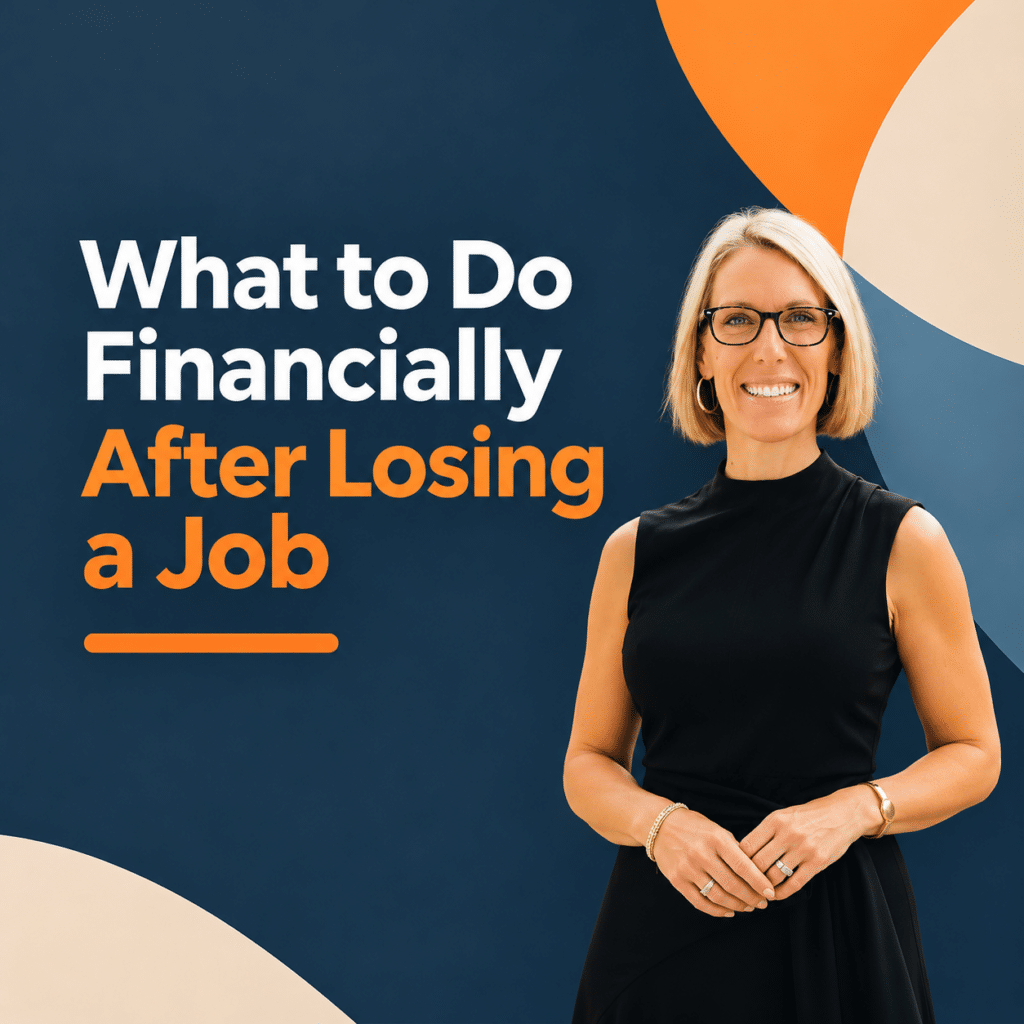
How to Protect Your Finances After an Unexpected Layoff

Losing your job is stressful enough. But when the paychecks stop and the mortgage, groceries, and utility bills keep coming, the financial pressure becomes very real.

For workers facing unexpected layoffs, the biggest question is often the simplest: How am I going to pay my bills?

The Salt Lake Tribune reported on layoffs affecting Utah workers, including the planned closure of Tyson Foods’ Eagle Mountain facility. For families who depend on a steady paycheck, news like this can turn their financial plans upside down.

You can’t always control when a company eliminates your position. But you can control how you manage your money afterward.

Here are six steps worth taking when your income suddenly stops.

1. Figure Out Exactly Where You Stand

Before you start making decisions, look at your numbers.

How much money do you have in checking and savings? What bills are coming due? Are you expecting a final paycheck, severance, or payment for unused vacation time?

Write everything down.

Then calculate how much your household needs each month to cover the essentials.

Let’s say you have $12,000 in savings and your necessary expenses total $4,000 a month. That gives you roughly three months of breathing room, assuming you have no other income coming in.

That’s important information. It tells you how much time you have and how quickly you may need to adjust your spending.

Don’t guess. Know your numbers.

2. Your Budget Needs to Change Immediately

One of the biggest financial mistakes after losing a job is continuing to spend as though the paycheck is still coming.

Your financial situation has changed, and your budget needs to reflect that.

Start with housing, groceries, utilities, insurance, transportation, and minimum debt payments. Those are the expenses that deserve your attention first.

Then look at everything else.

Streaming subscriptions, restaurant meals, shopping, vacations, and other nonessential purchases may need to wait.

That doesn’t mean you can never enjoy those things again. It means your priorities have changed for now.

And if you have children, this can be an opportunity to explain why the family is making different spending decisions.

A budget isn’t just about restricting spending. It’s about deciding where your money needs to go.

3. Find Out What Benefits You’re Entitled To

Don’t assume that losing your job means every source of financial support disappears immediately.

Check whether you qualify for unemployment benefits. Review your employer’s separation paperwork and find out whether you’ll receive severance or other compensation.

You also need to understand what happens to your health insurance.

When does your current coverage end? Can you continue it through COBRA? Would another health plan cost less?

These questions matter because an unexpected medical bill can make an already difficult financial situation worse.

Take the time to understand your options and apply for benefits as soon as you’re eligible.

4. Be Careful With Your Savings and Retirement Money

If you have an emergency fund, this is exactly the kind of situation you saved it for.

But that doesn’t mean you should spend it without a plan.

Use your savings to cover essential expenses while you look for another source of income. Keep track of how much you’re withdrawing and how long the remaining balance will last.

And be especially careful about taking money from retirement accounts.

A 401(k) withdrawal might seem like an easy solution when bills are piling up, but taxes, potential penalties, and lost investment growth can make that decision expensive.

Before touching retirement savings, understand the consequences and explore your other options.

The goal is to get through the current situation without creating a bigger financial problem down the road.

5. Don’t Let a Temporary Income Problem Turn Into Long-Term Debt

When money gets tight, it’s tempting to rely on credit cards.

You still need groceries. The car needs gas. The kids still have expenses. And putting those purchases on a credit card can feel like a quick fix.

But here’s the problem: the balance doesn’t disappear when you find another job.

If you can’t pay it off, interest starts adding up. Now you’re dealing with the original expenses plus the cost of borrowing.

If you think you’ll struggle to make a payment, call your lender or creditor before the bill becomes overdue.

Ask whether they offer hardship assistance, temporary payment arrangements, or other options.

You may not qualify for every program, but it’s worth having the conversation.

And before taking on new debt, ask yourself whether the purchase is truly necessary right now.

6. Plan for More Than One Scenario

Nobody knows exactly how long a job search will take.

You might find another position in a few weeks. It could also take several months.

That’s why you need more than one financial plan.

Start with your current budget. Then ask what would happen if you went three months without another paycheck.

What expenses could you reduce further? Could your household manage on one income? Would temporary or freelance work help cover some bills?

You don’t need to have every answer today, but you should understand your options.

And when another job opportunity comes along, look beyond the salary. Health insurance, retirement benefits, commuting expenses, and other costs can make a real difference in what you actually take home.

The goal isn’t simply to replace your old paycheck. It’s to find a sustainable path forward.

Start With What You Can Control

Losing a job is difficult, especially when you have a family depending on your income.

You may not know when the next opportunity will come, and you can’t control every part of the job market.

But you can look at your finances, make a realistic budget, protect the savings you’ve worked hard to build, and avoid decisions that could leave you with more debt.

You don’t have to figure out everything at once.

Start with your numbers. Make a plan for the next month. Then adjust as your circumstances change.

A job loss can disrupt your income, but careful financial decisions can help you protect what you’ve built while you work toward what’s next.

Related coverage: Utah layoffs are ticking up. Here’s what to do when the paychecks stop. | The Salt Lake Tribune

This article provides general financial education and does not replace personalized financial, legal, or tax advice.

Trump Accounts for kids and the benefits of starting long-term investing early
Press

Giving Kids a Head Start on Long-Term Investing

Building wealth takes time, and starting early can make a meaningful difference. For families looking to establish a financial foundation for their children, Trump Accounts offer another option for long-term investing.

BookSmarts founder and CEO Jenny Groberg discussed how these accounts work, the potential benefits of compound growth, and why families shouldn’t wait for the perfect savings plan to begin investing.

What Are Trump Accounts?

Trump Accounts are tax-advantaged investment accounts that help children begin building wealth at an early age.

Under the program, children born between January 1, 2025, and December 31, 2028, may qualify for a one-time $1,000 federal government contribution. Additional eligibility requirements apply.

The account invests the money in a low-cost fund that tracks the U.S. stock market, giving it the opportunity to grow over time.

Unlike a traditional savings account, which generally earns interest, Trump Accounts invest in the market. This creates greater potential for long-term growth. However, investment returns are not guaranteed, and account values can fluctuate.

Why Starting Early Matters

One of the biggest advantages of investing for children is time.

Jenny explained how compound growth allows investments to potentially generate additional earnings over many years. Even small contributions can make a difference when families invest consistently over several decades.

During the interview, she illustrated how a $1,000 starting investment, combined with regular monthly contributions, could potentially grow into a substantial retirement balance.

Her examples assumed an 8% annual return over a long investment period. Actual results will depend on market performance, fees, contribution patterns, and other factors.

The broader lesson is that families don’t necessarily need large amounts of money to begin. Starting with an affordable contribution and maintaining the habit can be valuable.

Small Contributions Can Build Financial Habits

While the initial government contribution provides a starting point, Jenny emphasized the benefits of continuing to invest when a family’s budget allows.

She also explained that parents and other eligible contributors can add money to a child’s Trump Account even when the child has no earned income. This feature makes the account different from certain retirement arrangements.

For parents, this creates an opportunity to introduce financial concepts early. Children can learn how saving, investing, patience, and long-term planning work together.

The goal isn’t simply to accumulate money. It’s also to help children understand how today’s financial decisions can affect their future.

How Do Trump Accounts Compare With Other Savings Options?

Trump Accounts aren’t the only way families can invest for their children.

Jenny discussed two other options during the interview:

529 plans: These accounts offer tax advantages when families use the funds for qualifying education expenses, including eligible college and other educational costs.

Custodial investment accounts: These accounts generally offer more flexibility in how families can use assets for a child’s benefit. However, their ownership, control, and tax rules differ from those of education and retirement-focused accounts.

Each option serves a different purpose.

A family saving specifically for education may have different priorities from one focused on helping a child establish long-term investments.

Jenny encouraged parents to recognize that they don’t have to choose just one account. Depending on their financial goals, families may benefit from combining different savings and investment options.

Focus on Progress, Not the Perfect Account

Choosing where to invest can feel overwhelming, especially for parents balancing housing, groceries, childcare, and other everyday expenses.

Jenny encouraged families not to spend so much time searching for the perfect account that they delay investing altogether.

Parents can start by understanding their options, identifying their financial goals, and choosing an approach that fits their circumstances.

Consistent contributions, even small ones, can help families work toward a stronger financial foundation.

Building Wealth Starts With a Plan

Trump Accounts highlight a broader financial principle: the earlier families begin planning and investing, the more time their money has the potential to grow.

Whether parents choose a Trump Account, a 529 plan, a custodial investment account, or a combination of options, they should understand their goals and make informed decisions.

Starting small can still be a meaningful first step toward long-term financial security.

Jenny explains these concepts and shares additional examples in her interview with ARC Salt Lake.

Watch the full interview: Trump Accounts and Investing for Kids | ARC Salt Lake

Note: This article is for educational purposes. Families should confirm program eligibility, contribution limits, tax treatment, and withdrawal rules against current IRS guidance. Investment returns are not guaranteed.

Scroll to Top

VIP Guide Request

This field is for validation purposes and should be left unchanged.
Name(Required)
Email(Required)
By submitting this form you are agree to the storage and handling of your data by this site.

Request FINAL FIVE eBook

This field is for validation purposes and should be left unchanged.
Name(Required)
Email(Required)
By submitting this form you are agree to the storage and handling of your data by this site.

Services Access

This field is for validation purposes and should be left unchanged.
Name(Required)
Email(Required)
Privacy(Required)
BookSmarts
Privacy Overview

This website uses cookies so that we can provide you with the best user experience possible. Cookie information is stored in your browser and performs functions such as recognising you when you return to our website and helping our team to understand which sections of the website you find most interesting and useful.